

In Guatemala and Central America, steel beams have shaped the evolution of the construction sector, marking a significant shift in recent decades. Thus, the transition from the predominantly reinforced concrete to beams responds to the need for faster, more flexible, and sustainable solutions.
This change reflects a modernization of the sector to meet the growing urban and environmental demands of the region.
Factors driving the shift to steel beams in the region
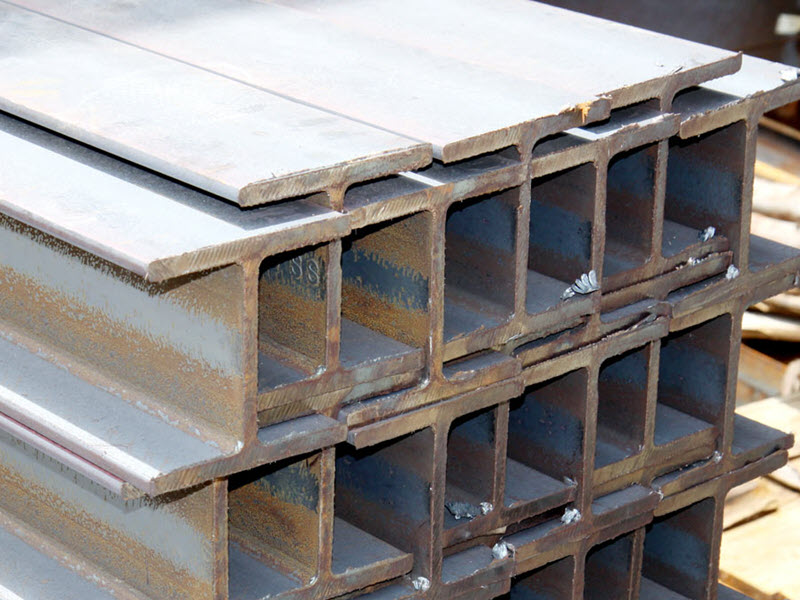
The adoption of beams in construction in Central America has been driven by a combination of practical needs, technological advancements, and environmental concerns. Below, we detail the key factors that have motivated this shift:
Technological advances
The implementation of specialized software has improved the design and manufacturing of beams, optimizing their use in projects of any scale.
Demand for adaptable spaces
Steel beams adapt to the needs of modern projects, allowing for extensions and modifications without affecting the original structure.
Environmental awareness
The steel is 100% recyclable, aligning with current sustainable construction requirements.
Seismic Resistance
Their ability to absorb energy during earthquakes makes them the safest option in a region prone to these events.
This convergence of factors has positioned steel beams as a pillar for the modernization of the construction sector in Central America, marking a before and after in how projects are planned and executed in the region.
Advantages of steel beams over concrete

Their rise in the construction sector is no coincidence. Their competitive advantages have positioned them as an innovative and efficient solution:
- Speed of assembly: Prefabricated elements reduce construction times by up to 25%. This optimizes costs and allows for tight deadlines to be met.
- More usable space: Its smaller volume compared to concrete maximizes usable areas, allowing for open and modern designs.
- Durability and low maintenance: Steel beams require less maintenance, ensuring a long and cost-effective service life.
- Manufacturing precision: Its millimetric manufacturing reduces errors during installation, ensuring safer and more resistant structures.
- Versatility in applications: From skyscrapers to bridges and factories, steel beams are suitable for a wide variety of projects.
Emblematic projects that make a difference
Several projects in the region stand out for incorporating steel beams in their construction, such as the Akron Stadium in Guadalajara, Mexico, which uses prefabricated steel structures. Likewise, MULTI, as a leader in steel processing in Central America, has been key in supplying high-quality beams for initiatives such as:
- Curved bridge, “Puente 15”, Southern Alternate Route “Vas” Guatemala.
- Parking lot of the Recreation Institute for Workers of the Private Enterprise of Guatemala "Irtra Petapa" and the structure of the Palajunoj Irtra Hotel in Retalhuleu, Guatemala.
- Rafael Landivar University Parking, Guatemala.

The transition to steel beams reflects Central America's commitment to modernizing its infrastructure. This shift offers tangible benefits in terms of sustainability, safety, and efficiency, while redefining construction standards in the region. With advanced technologies and a focus on resilience, steel is positioned as the fundamental pillar for building the future.


